
Breaking Down Common Misconceptions in Digital Media Production


Introduction to Digital Media Production Misconceptions
Digital media production is a rapidly evolving field that offers endless possibilities for creativity and innovation. However, like many industries, it is often surrounded by misconceptions that can cloud understanding and hinder progress. It's essential to break these down to appreciate the true potential of digital media production.
The Myth of Simplicity
One of the most common misconceptions is that digital media production is easy and anyone can do it with minimal effort. While technology has made tools more accessible, creating high-quality digital content still requires a blend of creativity, technical skills, and strategic thinking. Professionals invest significant time in learning and mastering their craft.
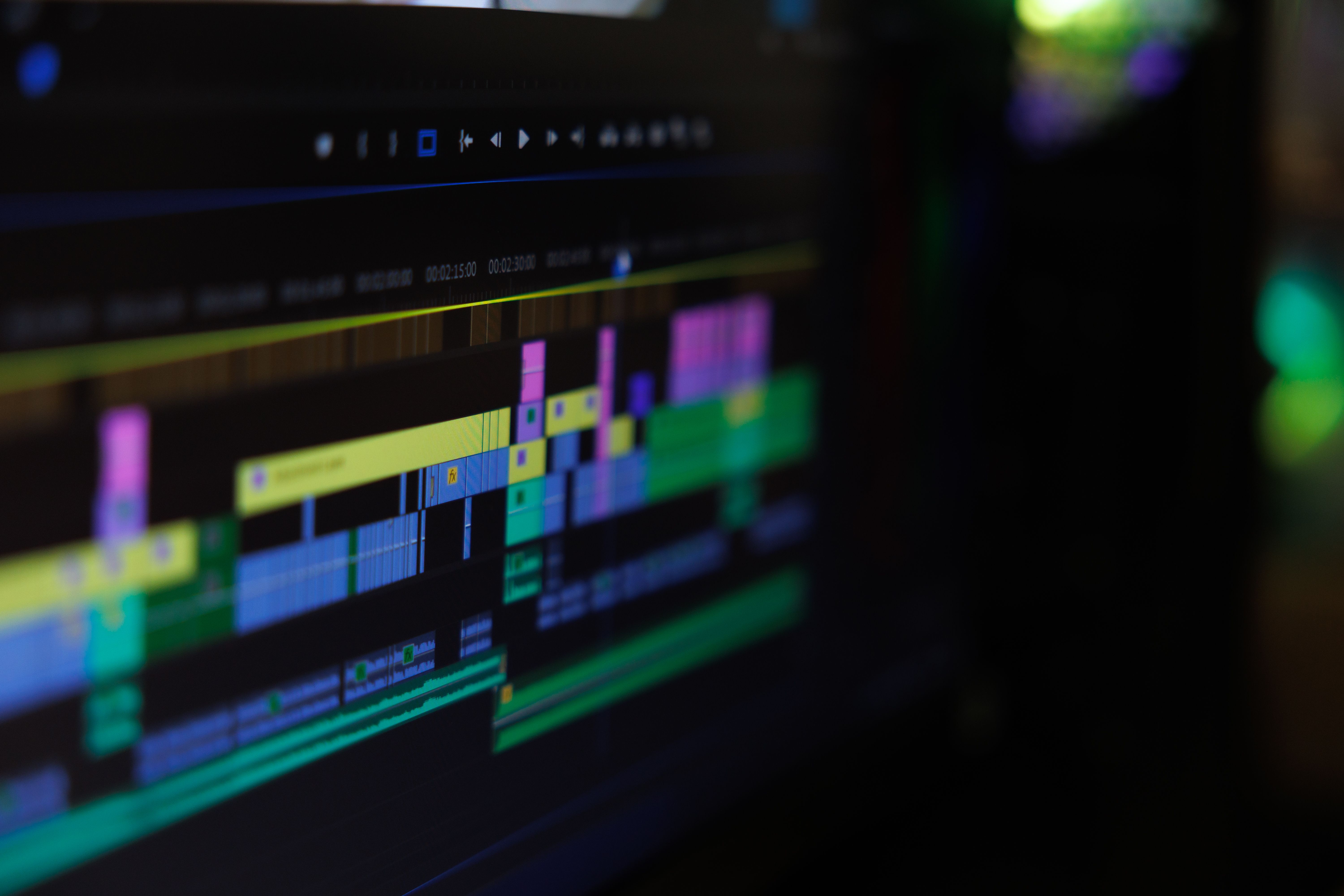
It's Only About Technology
Another misunderstanding is that digital media production is solely about technology. While advanced tools and software are crucial, the human element—storytelling, creativity, and communication—plays an equally significant role. Technology is a means to an end, not the end itself.
Many projects fail when they focus too much on technology at the expense of content. Successful digital media production balances both elements to deliver engaging and impactful experiences.
High Costs and Big Budgets
There is a belief that quality digital media production requires exorbitant budgets. While it's true that some projects demand extensive resources, smaller-scale productions can also achieve remarkable results with smart planning and resource allocation. Creativity often thrives under constraints, leading to innovative solutions.

Understanding the Process
The Instant Success Fallacy
In a world where viral content can seem to emerge overnight, there's a misconception that success in digital media production is instantaneous. In reality, many successful projects are the result of careful planning, research, and iteration. Building an audience and achieving recognition takes time and effort.
- Consistency in content creation and distribution
- Engagement with the audience
- Adaptation based on feedback and analytics
All About Visuals
While stunning visuals are a vital part of digital media production, they are not the only aspect. Sound design, narrative structure, and user interaction also significantly influence the effectiveness of digital content. A holistic approach ensures all elements work together seamlessly.

Anyone Can Be a Professional
With the availability of user-friendly software, many believe that anyone can become a digital media professional. However, the industry requires not just technical skills but a deep understanding of the audience, trends, and market needs. Continuous learning and adaptation are essential in this dynamic field.
As we continue to embrace digital media in various forms, it's vital to dispel these misconceptions. Recognizing the realities of digital media production enables both creators and consumers to appreciate and harness its full potential.