
Common Misconceptions About Television Production Debunked


The Glamour of Television: Is It Real?
Television production often seems like a world of glamour and excitement. However, this perception can be misleading. Many believe that working in TV is all about rubbing shoulders with celebrities and attending glamorous events. In reality, the industry involves a lot of hard work, long hours, and dedication.
Misconception 1: It’s All About Creativity
While creativity is certainly a crucial element, television production involves much more than just coming up with ideas. Producers must also manage budgets, schedules, and logistics. Skills in organization and problem-solving are just as important as a creative vision.
Misconception 2: Everything Happens Quickly
Another common misconception is that television shows are produced quickly and easily. In reality, the process is often long and arduous. From initial concept to final airing, a single episode can take months to complete. This involves writing, shooting, editing, and post-production tasks that require precision and patience.
The Role of Technology
Technology plays a significant role in modern television production, but it’s not a magic solution. While advancements have certainly streamlined certain aspects, they have also introduced new challenges and complexities. Understanding and leveraging technology effectively requires continuous learning and adaptation.

Misconception 3: It’s a Lucrative Career for Everyone
While there are certainly lucrative positions within the industry, many roles in television production do not offer high salaries. Entry-level positions, in particular, can involve long hours with relatively low pay. Passion for the craft often drives professionals more than financial gain.
The Reality of Collaboration
Television production is a highly collaborative process, involving writers, directors, camera operators, editors, and many others. It’s a team effort where communication and cooperation are key. Contrary to the popular belief that producers have unilateral control, decisions are often made collectively.

Misconception 4: It’s Always Glamorous
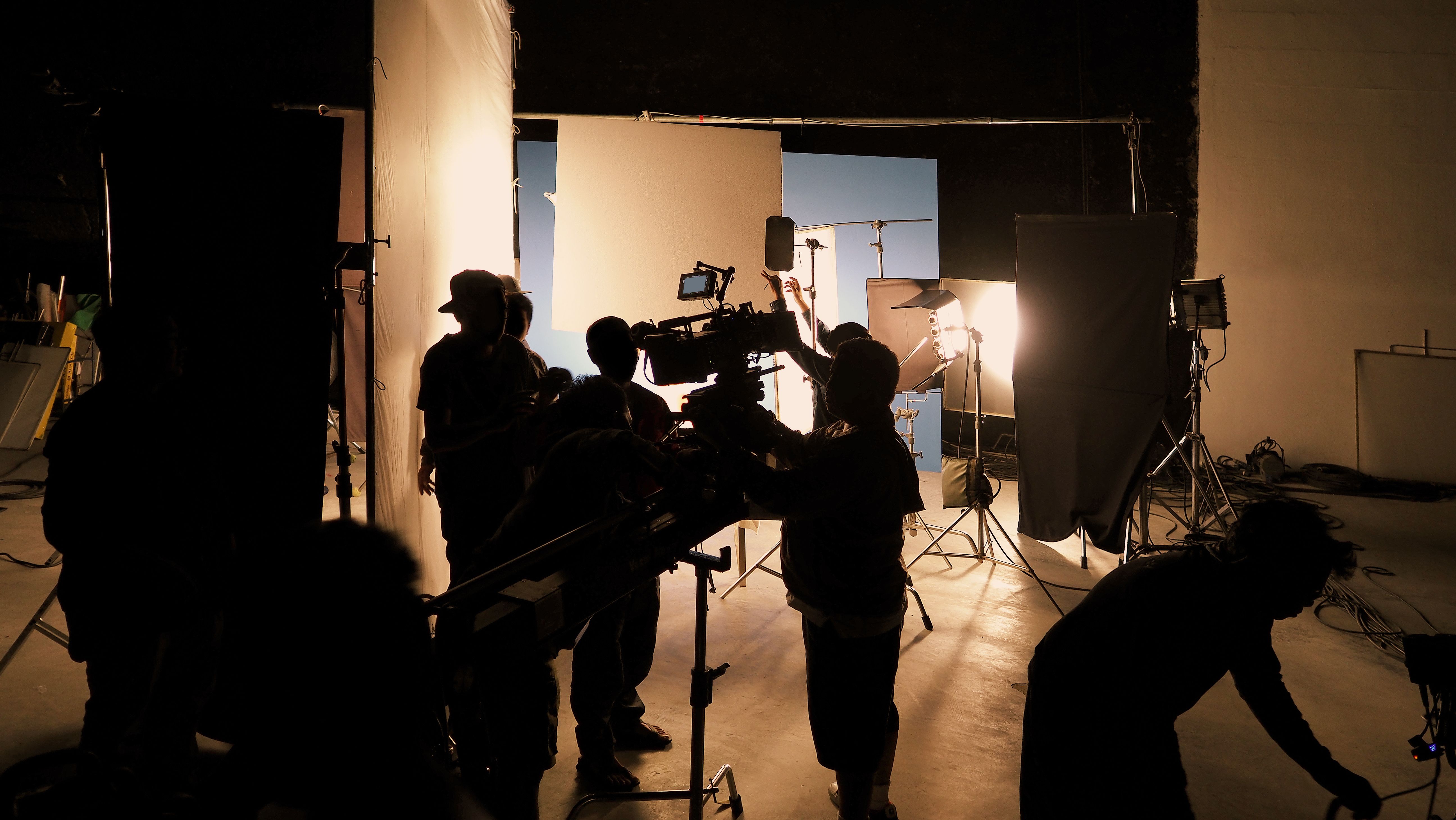
Behind the scenes, television production is far from always being glamorous. Sets can be chaotic, and shooting schedules can be grueling. The final polished product viewers see is the result of meticulous planning and hard work, often under less-than-ideal conditions.
Conclusion: Understanding the Industry
Debunking these misconceptions helps in appreciating the true nature of television production. It’s a dynamic field that combines creativity with technical expertise and demands dedication and teamwork. Recognizing the reality behind the scenes can lead to a greater appreciation of the art and effort that go into producing television content.